What’s Next?
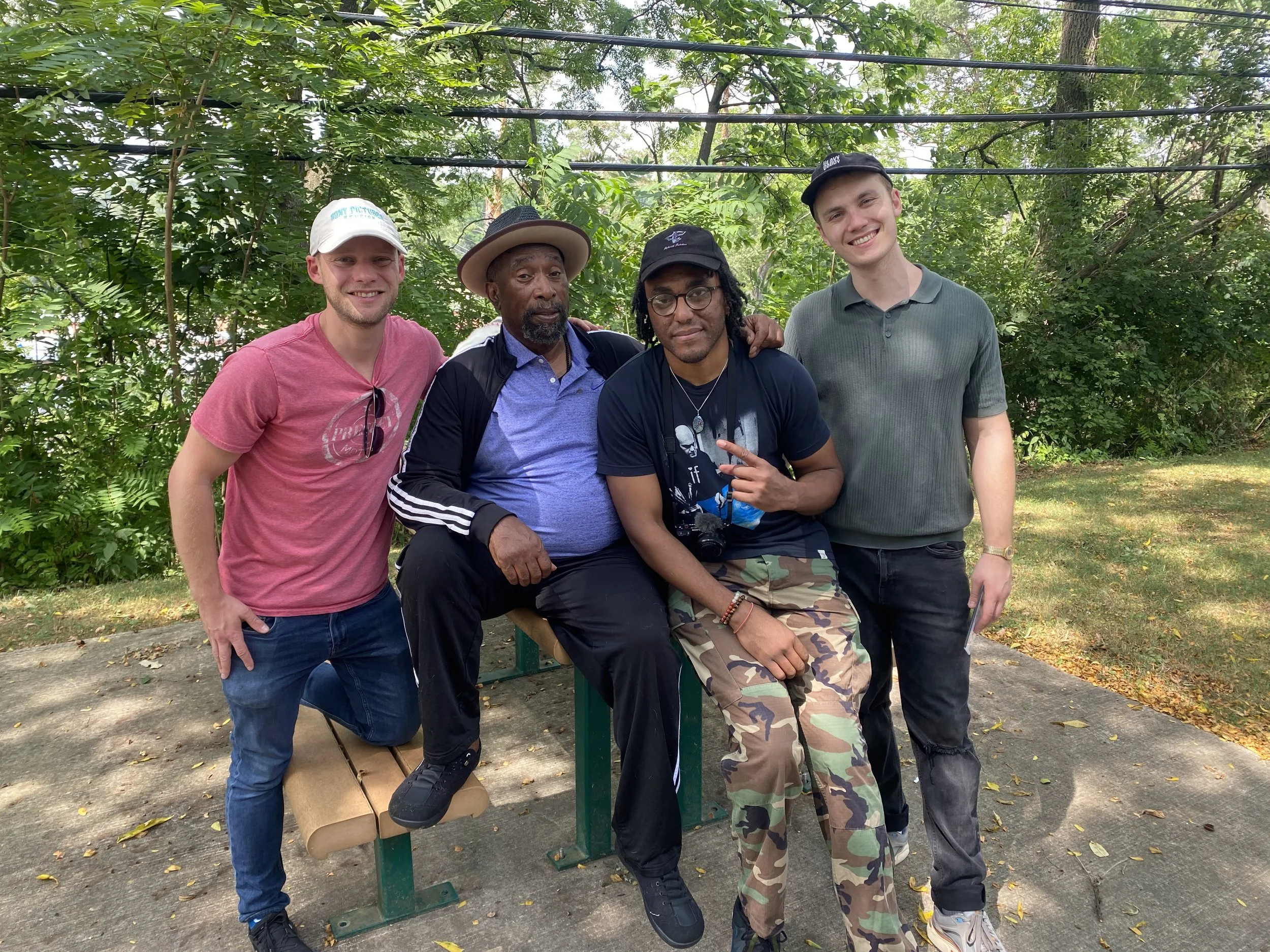
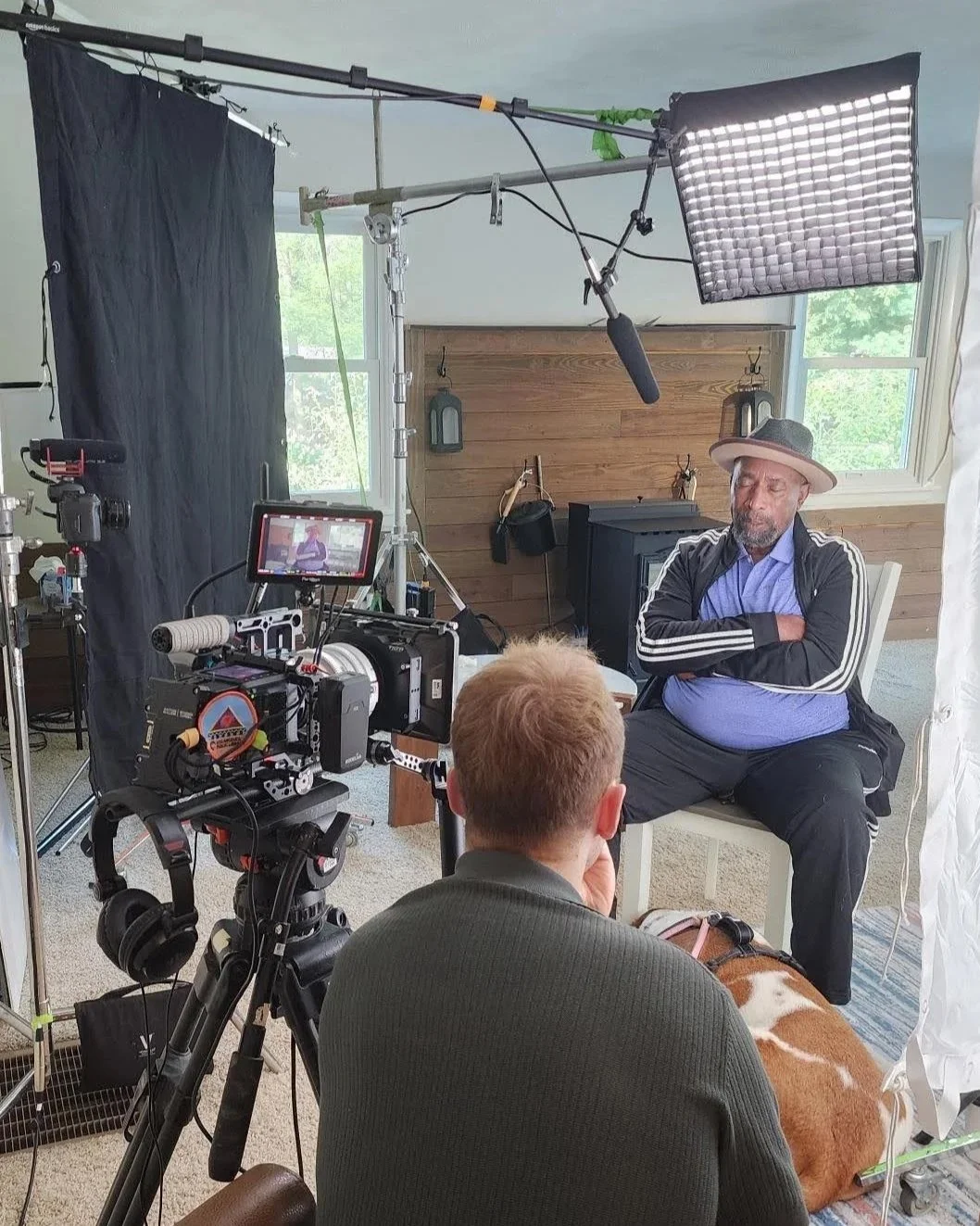
Acres of Skin is fully in production with key relationships, archival access, and survivor trust already established. To complete the film — including additional survivor research, production, and post-production (editing, sound design, original music, and color) through festival release — we're seeking approximately $580,000 through grants, donations, and equity partners.
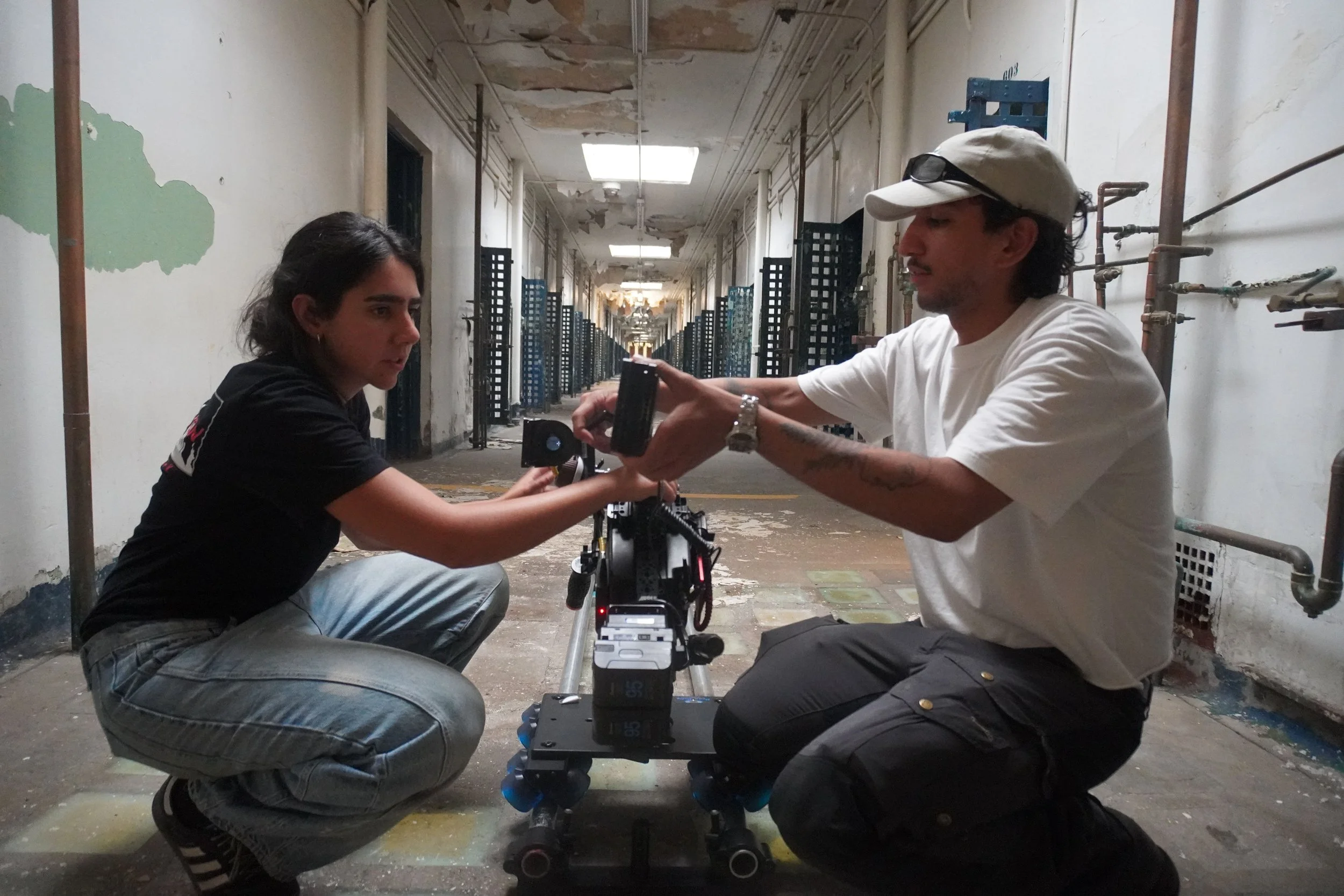
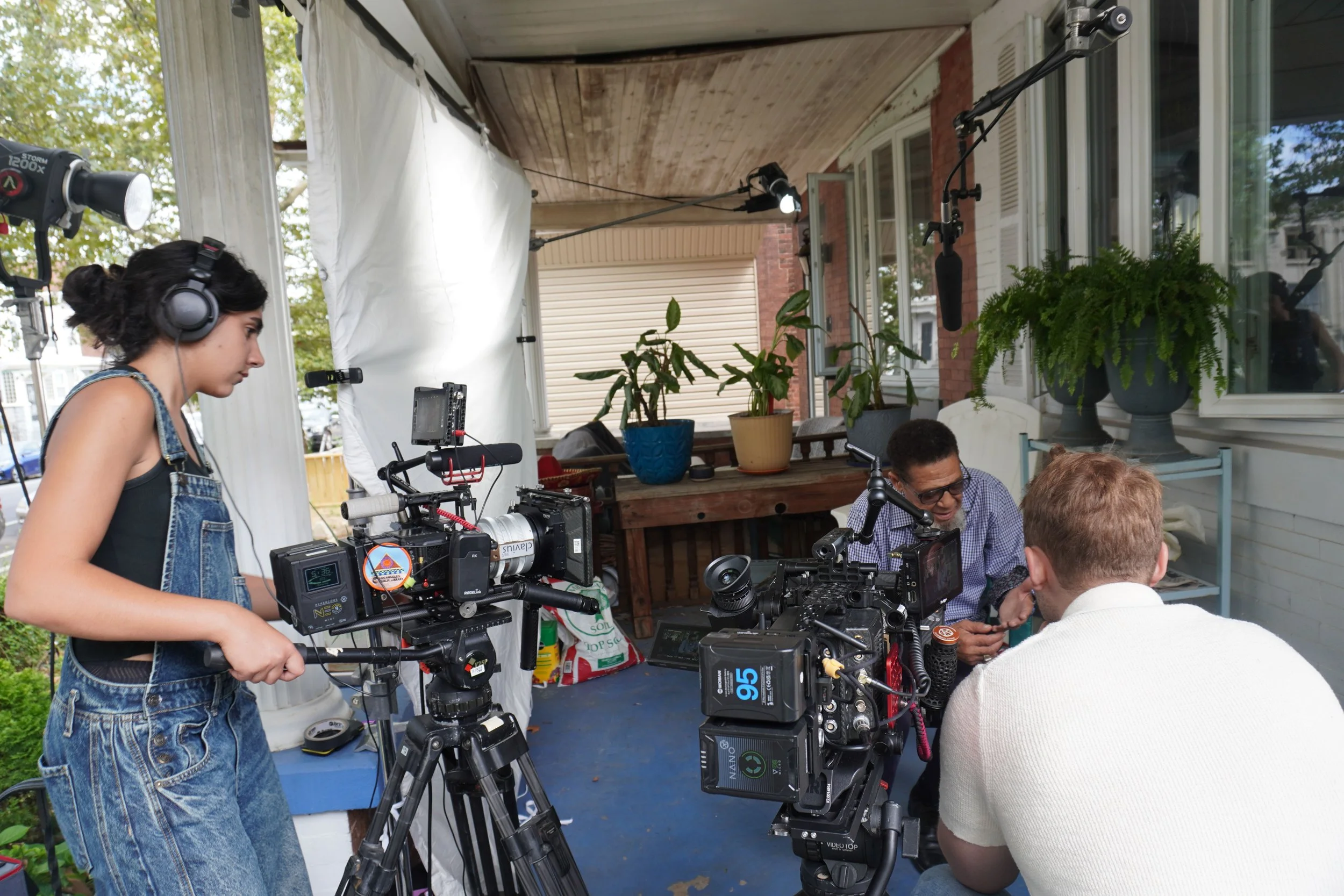
What's Left to Capture
Adrianne Jones-Alston & Family
Interviews with Adrianne Jones-Alston and her family, reflecting on her father Leodus Jones and the legacy he left behind as both a survivor and an advocate.
The Next Generation Speaks
Filming the children of survivors as they read aloud statements written by their parents — connecting the experiments directly to the families who have lived with their aftermath ever since.
The Fight for Reparations at Penn
Interviews with current and former University of Pennsylvania students who led the 2020 campaign demanding reparations for Holmesburg survivors — tracing the path from student activism to UPenn's 2022 formal statement and apology regarding Dr. Albert Kligman.
The Missing Records
An examination of how Kligman (a professor at UPenn for 50 years) destroyed his own scientific records — and what that act of erasure reveals about institutional accountability, or the lack of it.
Kligman's Family
Where is Albert Kligman's family today, and how do they reckon with his legacy?
Kligman's Colleagues and Students
Interviews with those who trained under or worked alongside Kligman — what do they make of his legacy now, decades later?
The Conditions That Made It Possible
Before Kligman ever stepped inside, Holmesburg was already known as one of the most brutal prisons in the country. In 1938, four inmates were "baked" to death after guards locked them in an isolation cell. In 1973, a riot inside the prison ended with two of its top officials, the warden and deputy warden, killed by inmates. Understanding these conditions — overcrowding, violence, and a culture where prisoners were dehumanized long before any experiment began — is essential to understanding how Kligman found such a willing, captive population.
Following Current Activism
Continued documentation of the ongoing push for justice as it unfolds in real time.
Expert Perspectives
Interviews with experts in medical ethics and prison reform, providing essential context and a more complete picture of how Holmesburg was allowed to happen.
Irvin Moore's College Graduation
Filming this milestone — a moment of resilience and transformation decades after his time at Holmesburg.
Follow-Up Interviews with Survivors
Returning to each survivor, Herbert Rice, Irvin Moore, and LaVon Miller, for continued conversations as their stories, and the fight for justice, continue to develop.
Help Us Finish
Every interview, every shoot day, and every hour of post-production costs real time and resources. If this story matters to you, here's how you can help make sure it gets told in full.