Meet the Survivors
Interviews
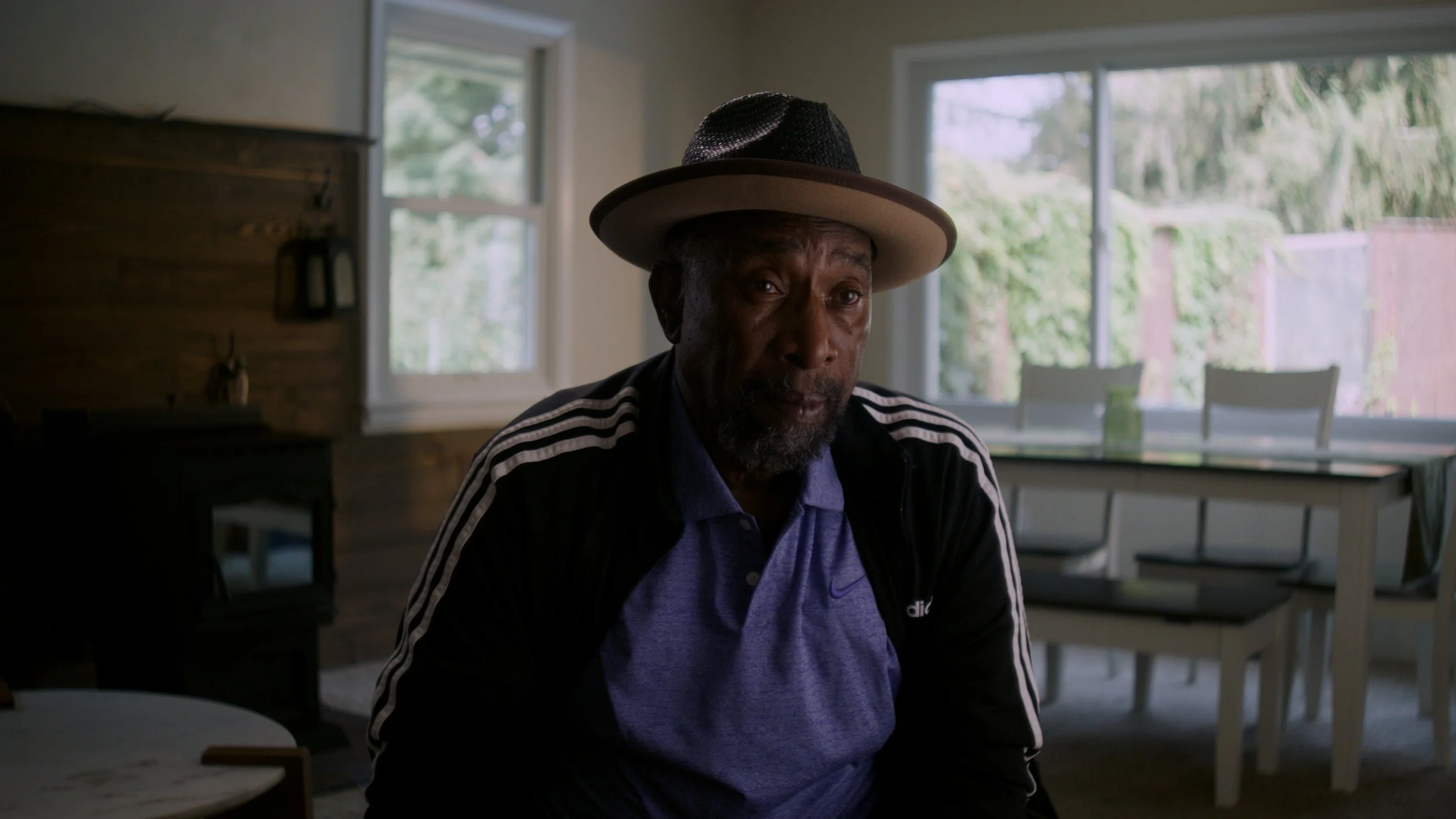
So far, we have filmed with four survivors of the prison experiments, one expert/author, one spouse, and one descendant of a survivor. Because Dr. Kligman destroyed/hid his records when the FDA ended prison experimentation in the 1970s, our goal is to hire a researcher to help us identify more survivors and their descendants, and add their stories to this project.
Herbert Rice, Survivor
Dorothy Alston, Survivor
Irvin Moore, Survivor
Lavon Miller, Survivor
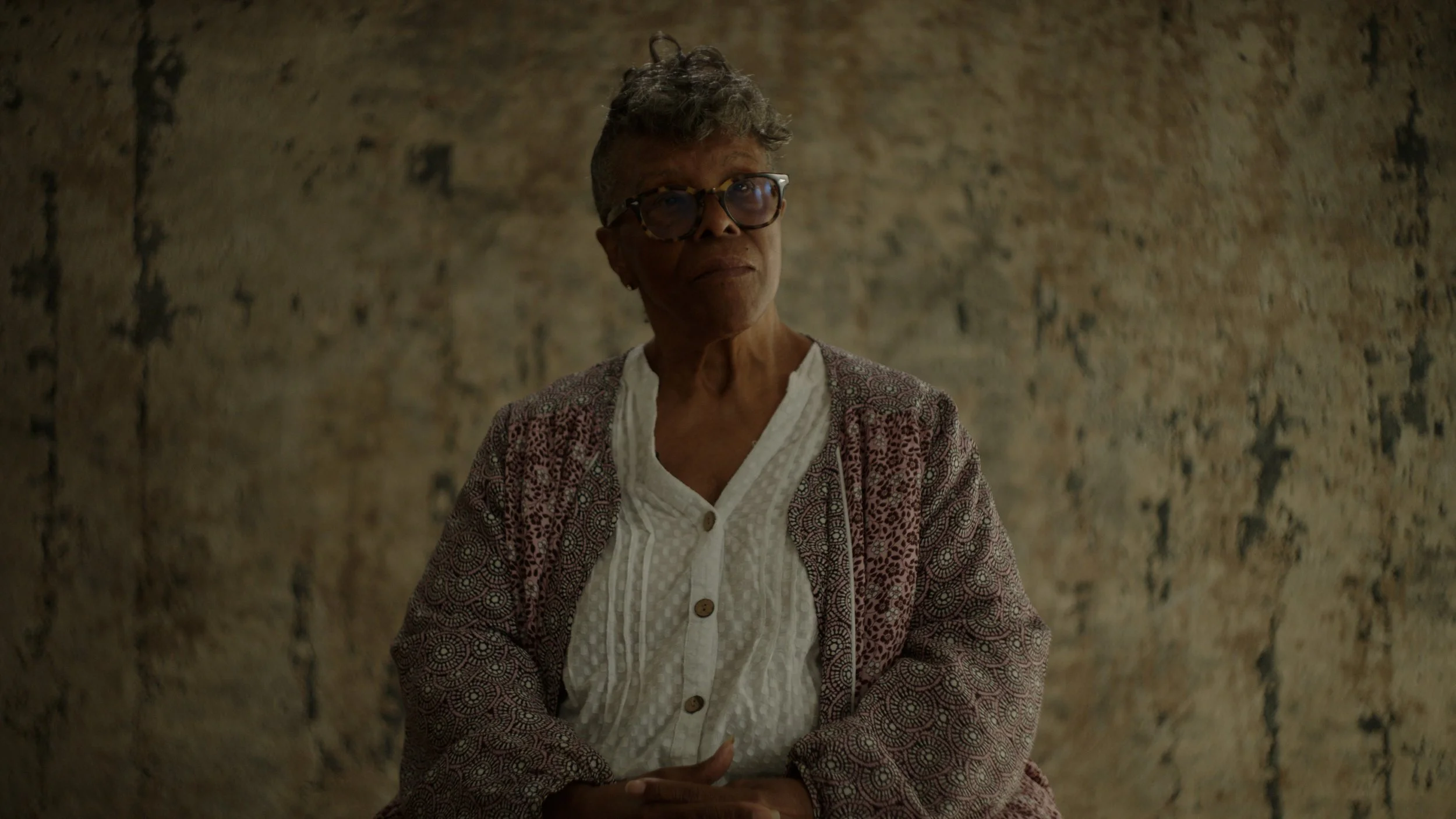
Darlene Rice, Herb’s Former Spouse
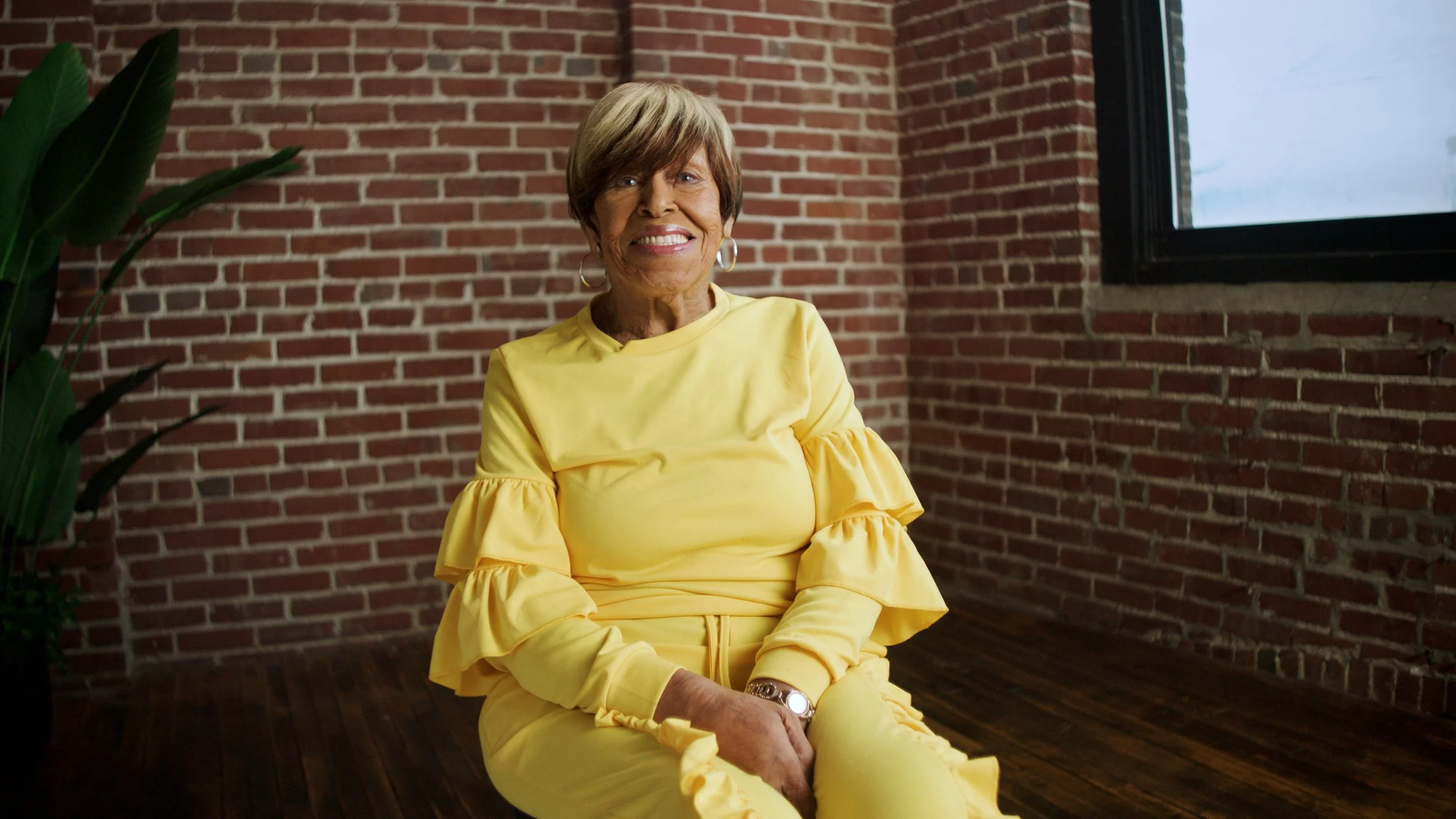
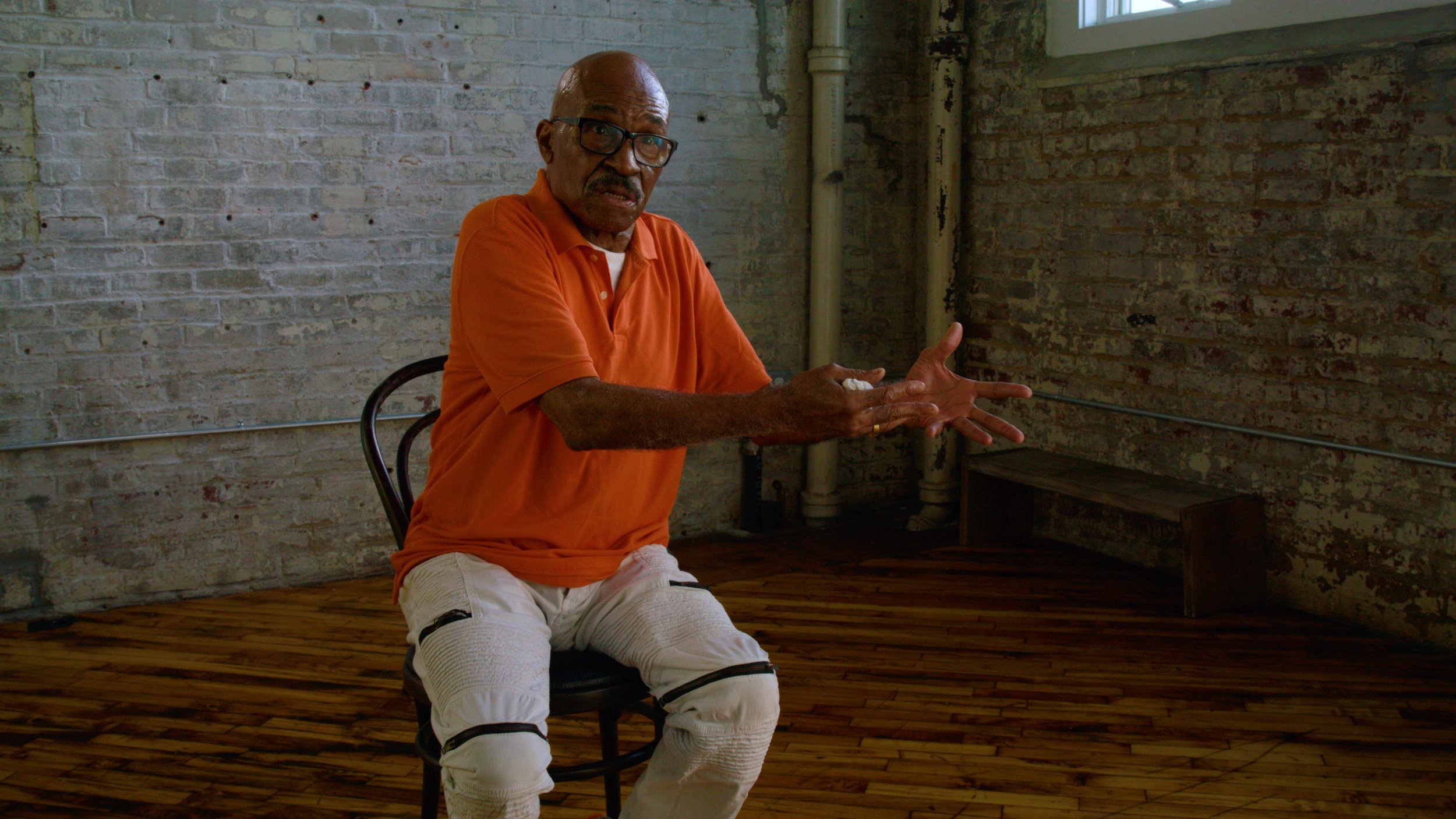
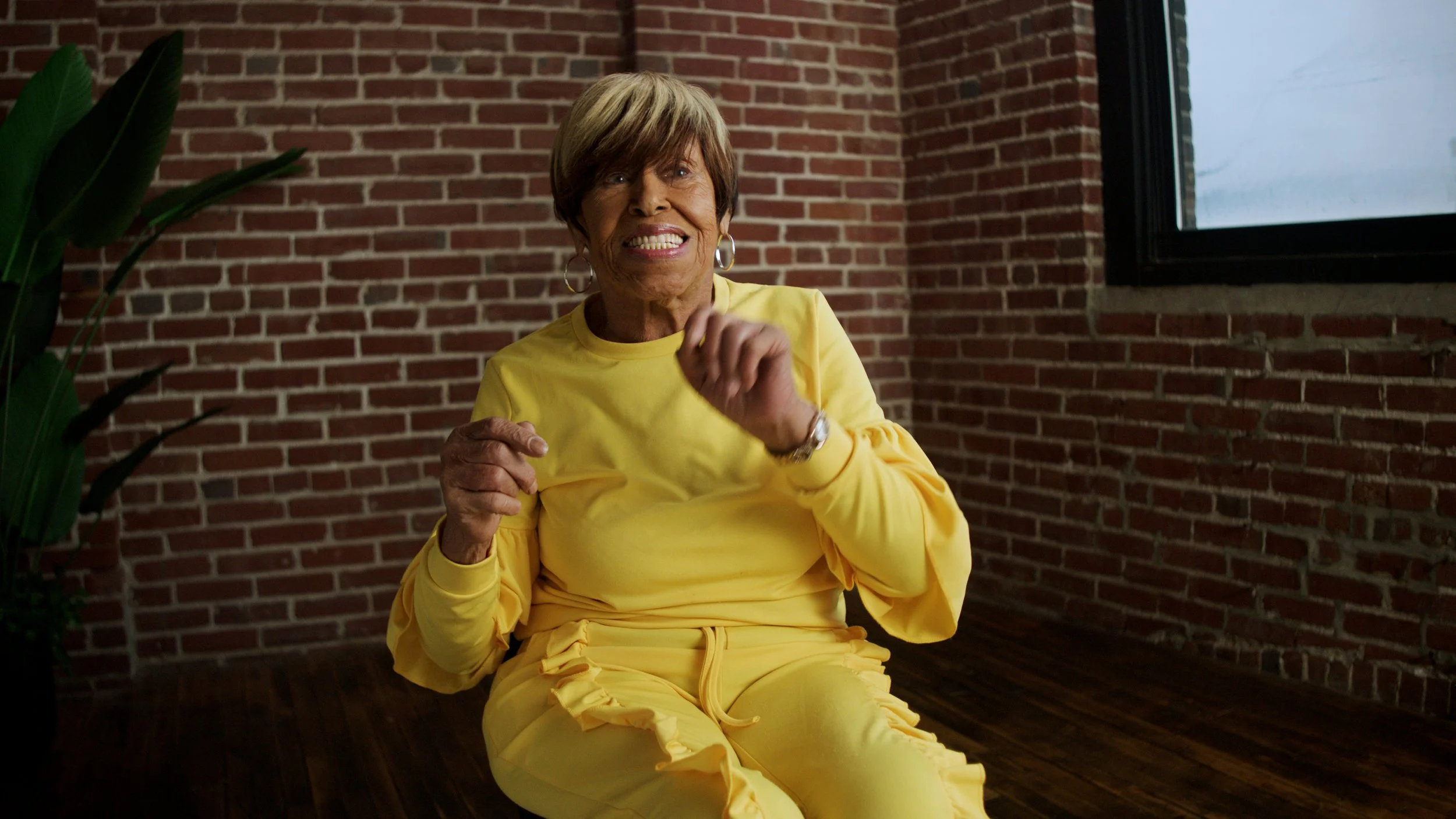
Allen Hornblum, Expert
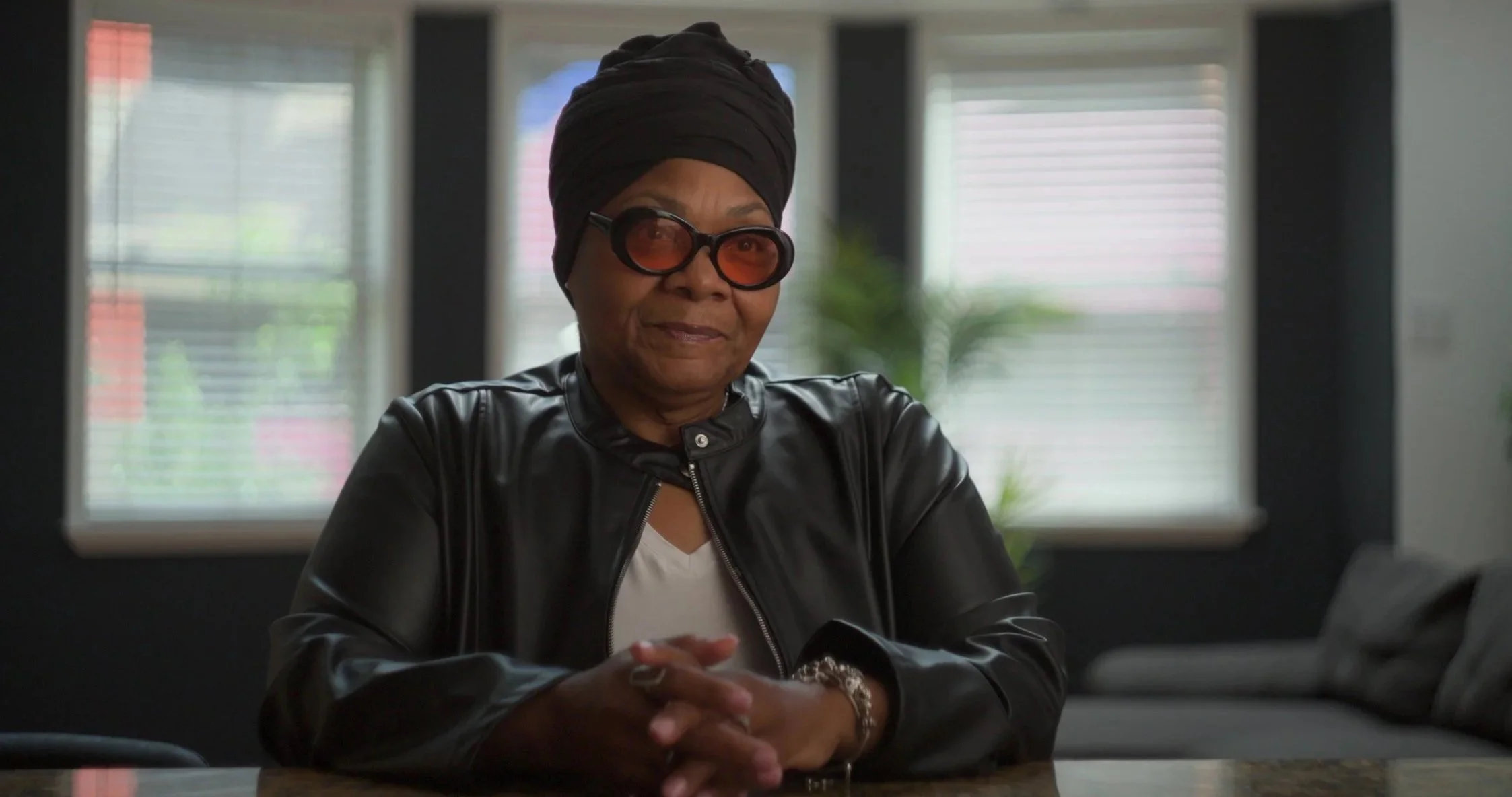
Adrianne Jones-Alston, Daughter of Survivor
Verité Scenes
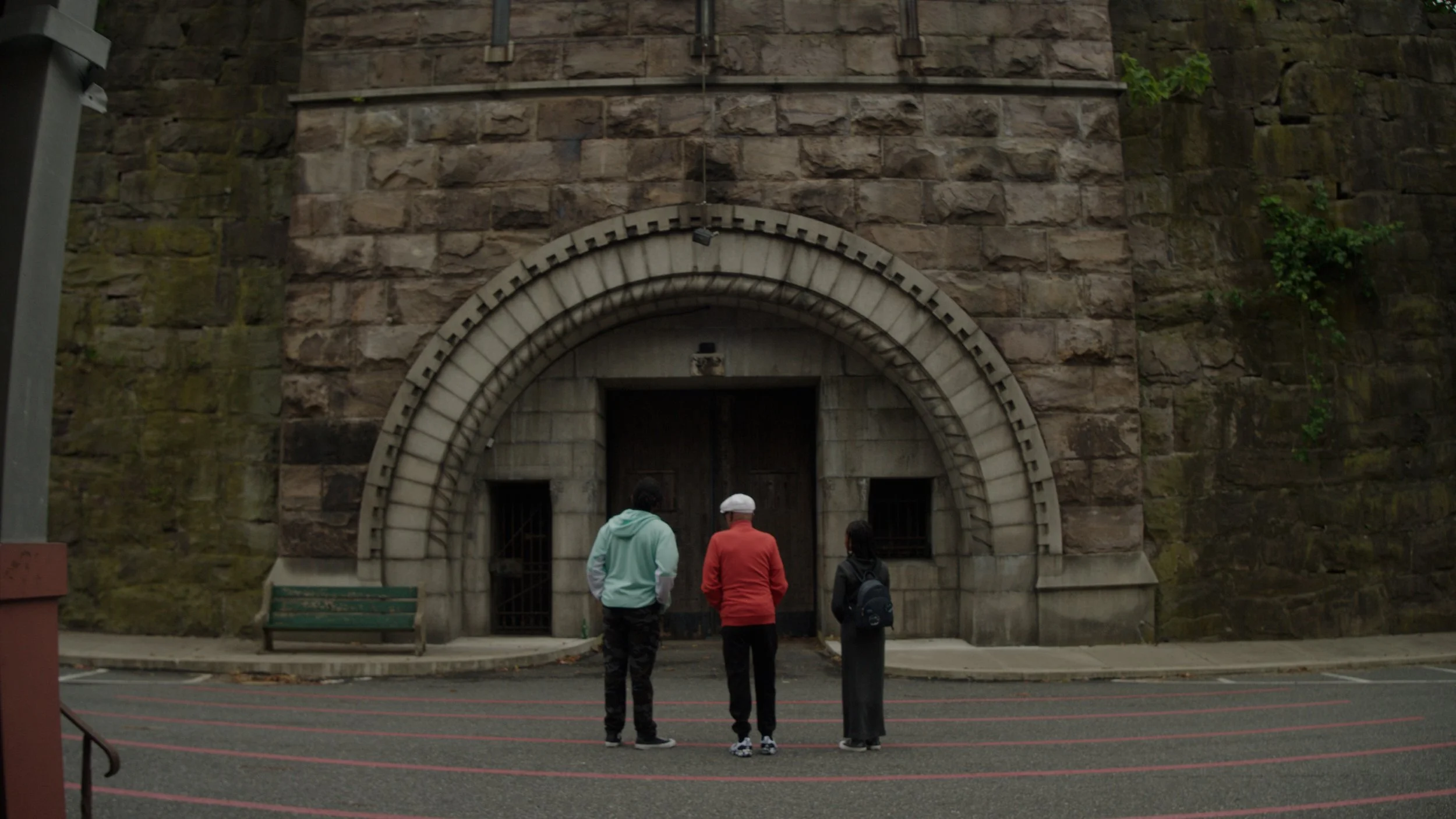
The Rice Family visits Holmesburg Prison
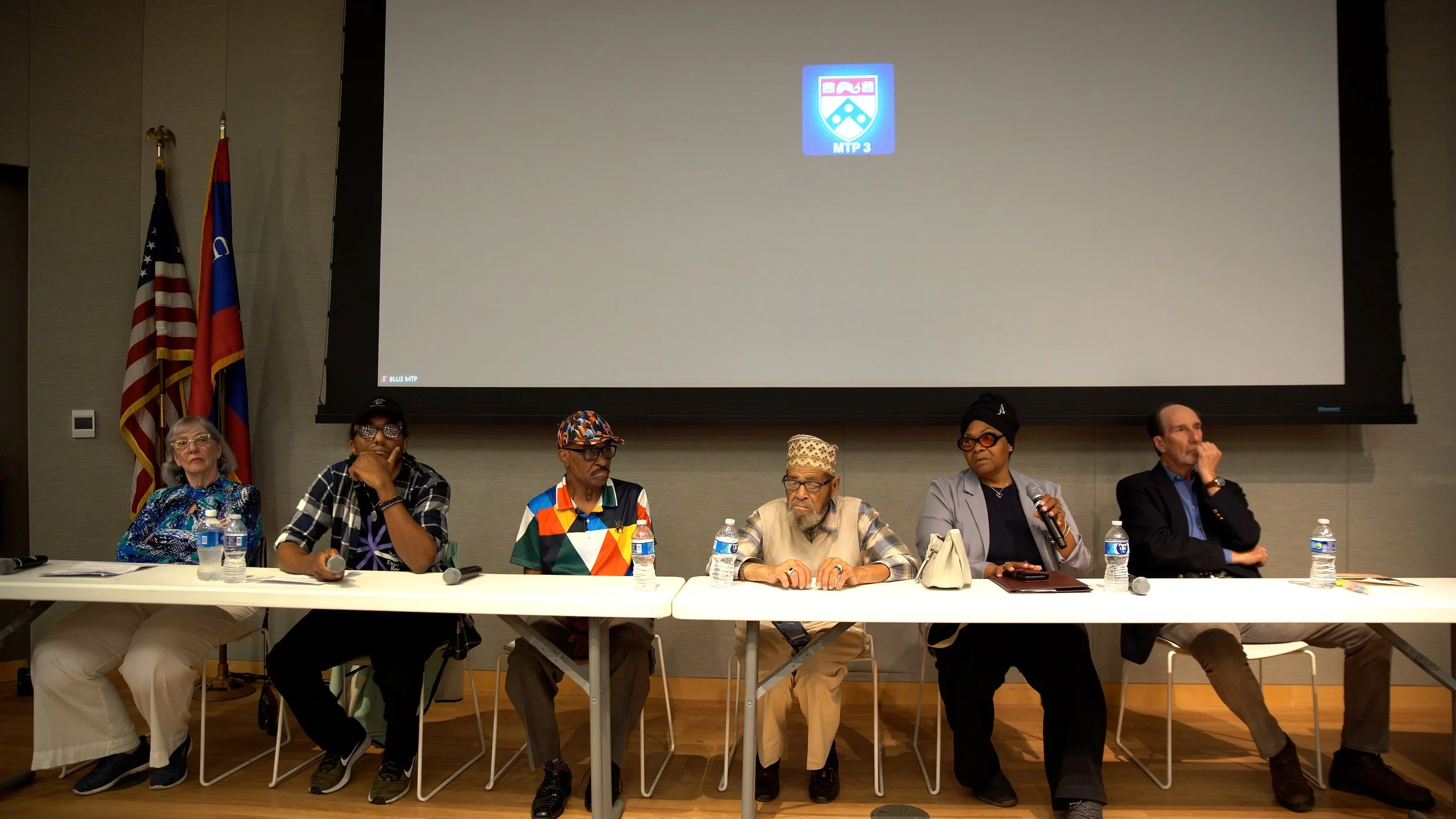
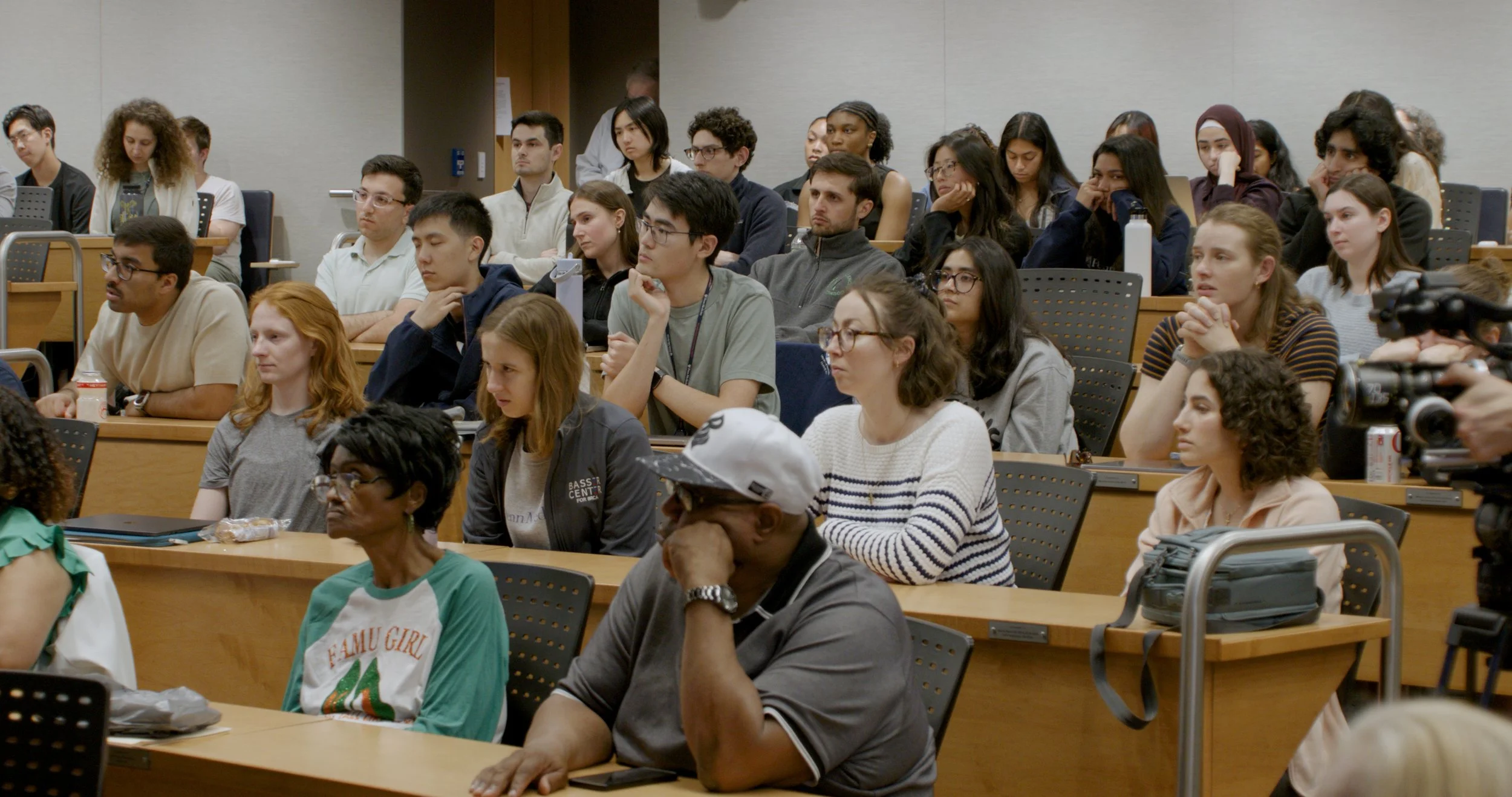
The Survivors speak to a class of pre-med students at the University of Pennsylvania
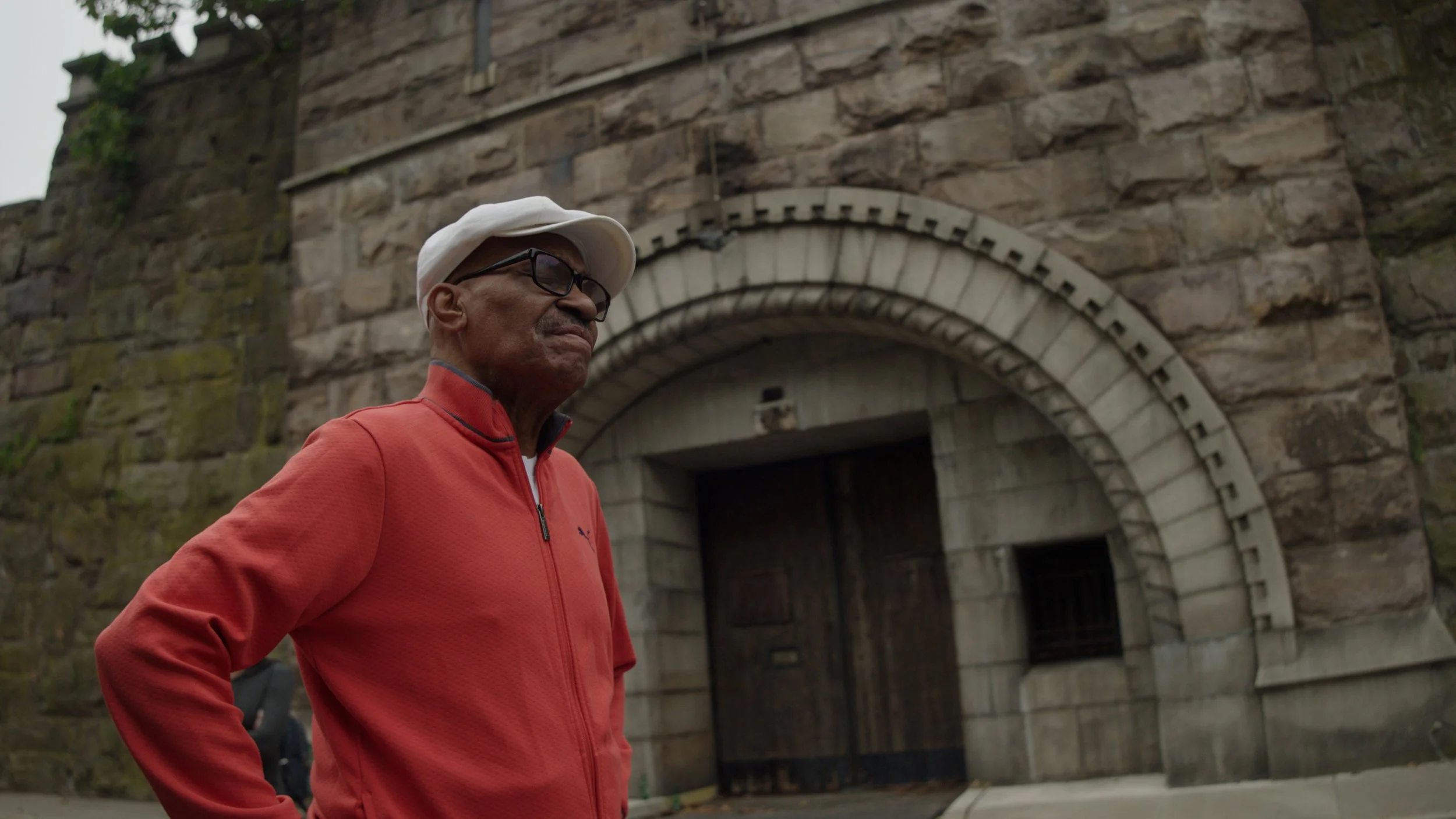
Herbert Rice
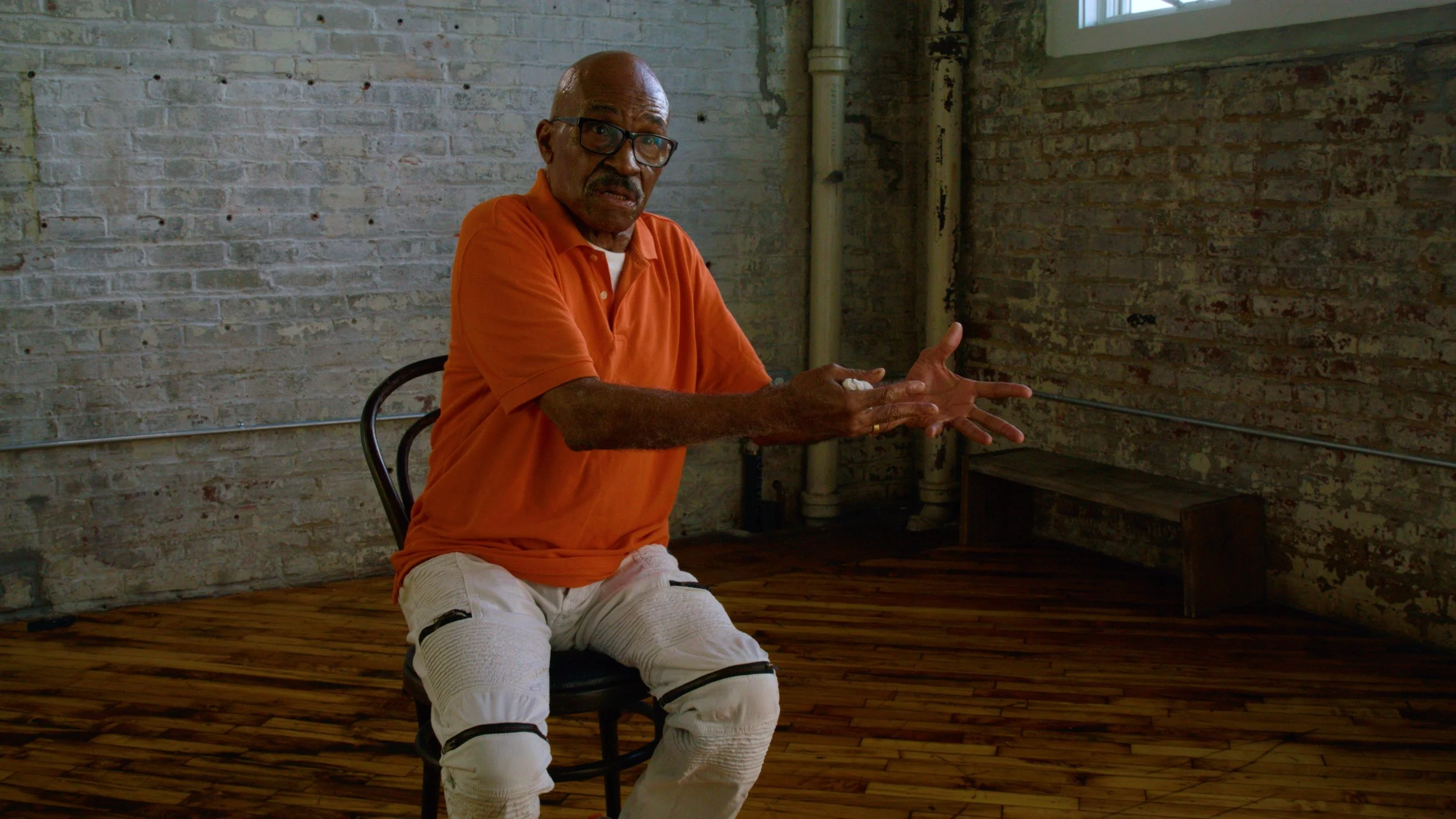
In his interview, Herbert Rice, age 78, recounts his experience as a prisoner at Holmesburg Prison from 1968 to 1969, where he participated in numerous medical experiments run by the University of Pennsylvania and Dr. Albert Kligman. He describes how he transferred to “H Block,” known as the “money block,” where most of the testing occurred and inmates joined studies to earn small payments. His tests included a “milkshake study” to monitor weight, multiple skin injection trials that caused blistering, and a “metabolic test” involving pills and radiation exposure that he believes caused lifelong physical and psychological damage. Herbert details time spent in solitary confinement, his descent into addiction and mental illness after release, and decades of nightmares and trauma tied to the experiments. He connects the abuses at Holmesburg to broader exploitation, comparing them to the case of Henrietta Lacks and even the Holocaust. Despite years of suffering, institutionalization, and family loss, he found stability through recovery programs and advocacy with the Jones Foundation, helping push for reparations and public acknowledgment. Throughout the conversation, Herbert expresses deep distrust of doctors, lingering anger toward Kligman and Penn, and a commitment to sharing his story to honor those who can no longer speak for themselves.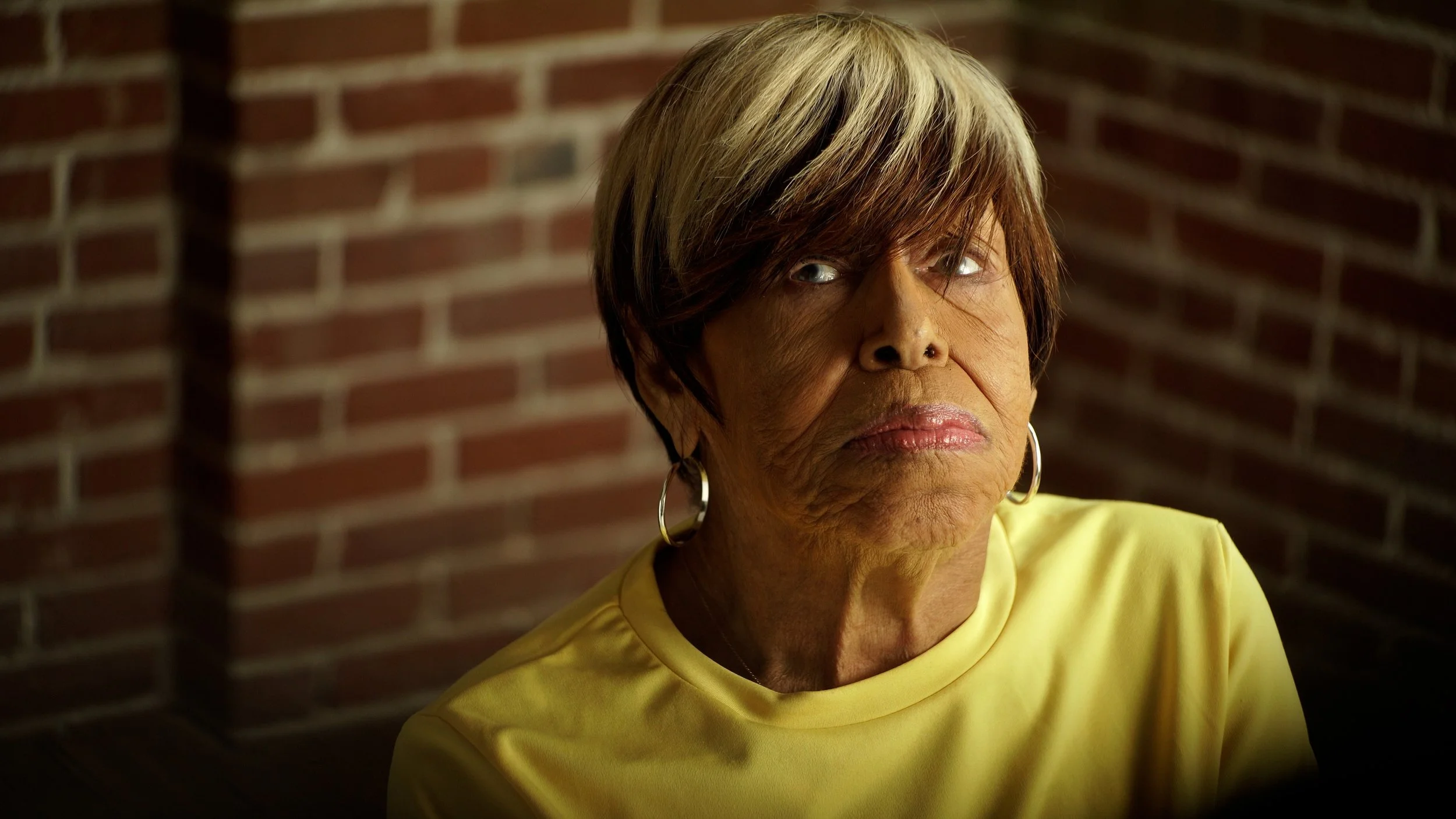
Dorothy Alston
In her interview, 89-year-old Dorothy Alston reflects on her life from childhood in Philadelphia’s Strawberry Mansion neighborhood through decades marked by poverty, addiction, incarceration, and medical exploitation. She describes a happy youth that unraveled after early arrests for shoplifting and the death of her teenage son, which led her into heroin use and repeated jail sentences. While imprisoned at the House of Correction, Alston participated in several paid experiments overseen by Dr. Albert Kligman and the University of Pennsylvania, including a “tampon test” that caused permanent internal injury and forced her to undergo a hysterectomy. She recounts the physical pain, humiliation, and loss of her marriage that followed, condemns Kligman as “evil,” and expresses anger that he profited from the research while survivors were ignored. The conversation ranges from her memories of Philadelphia and her family to the brutal conditions of prison life, her humor and resilience, and her continuing demand for an apology and acknowledgment from the institutions responsible.On May 19, 2026, Dorothy Alston passed away at the age of 90. She was the last confirmed female survivor of The University of Pennsylvania’s prison experimentation program.
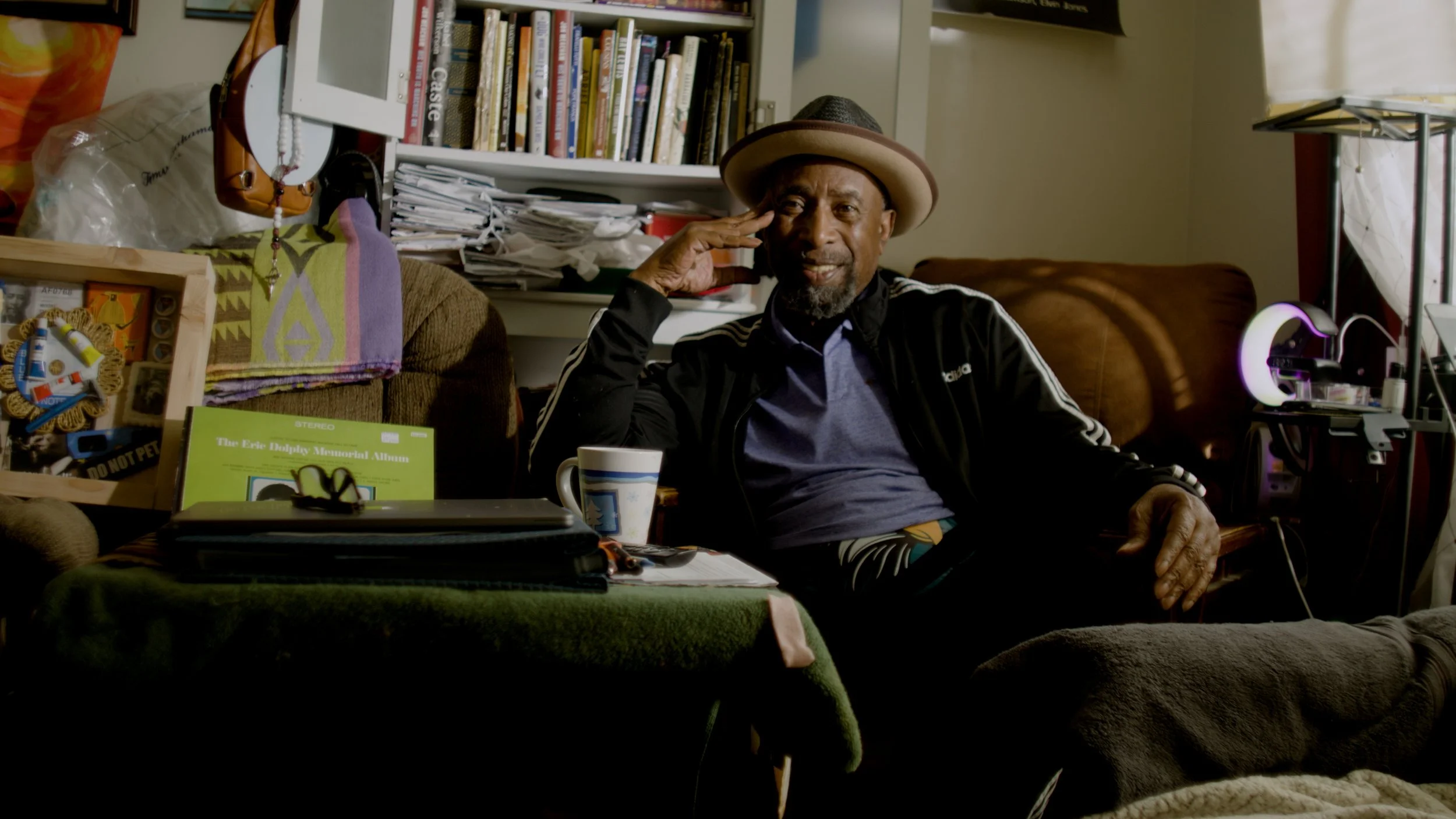
Irvin Moore
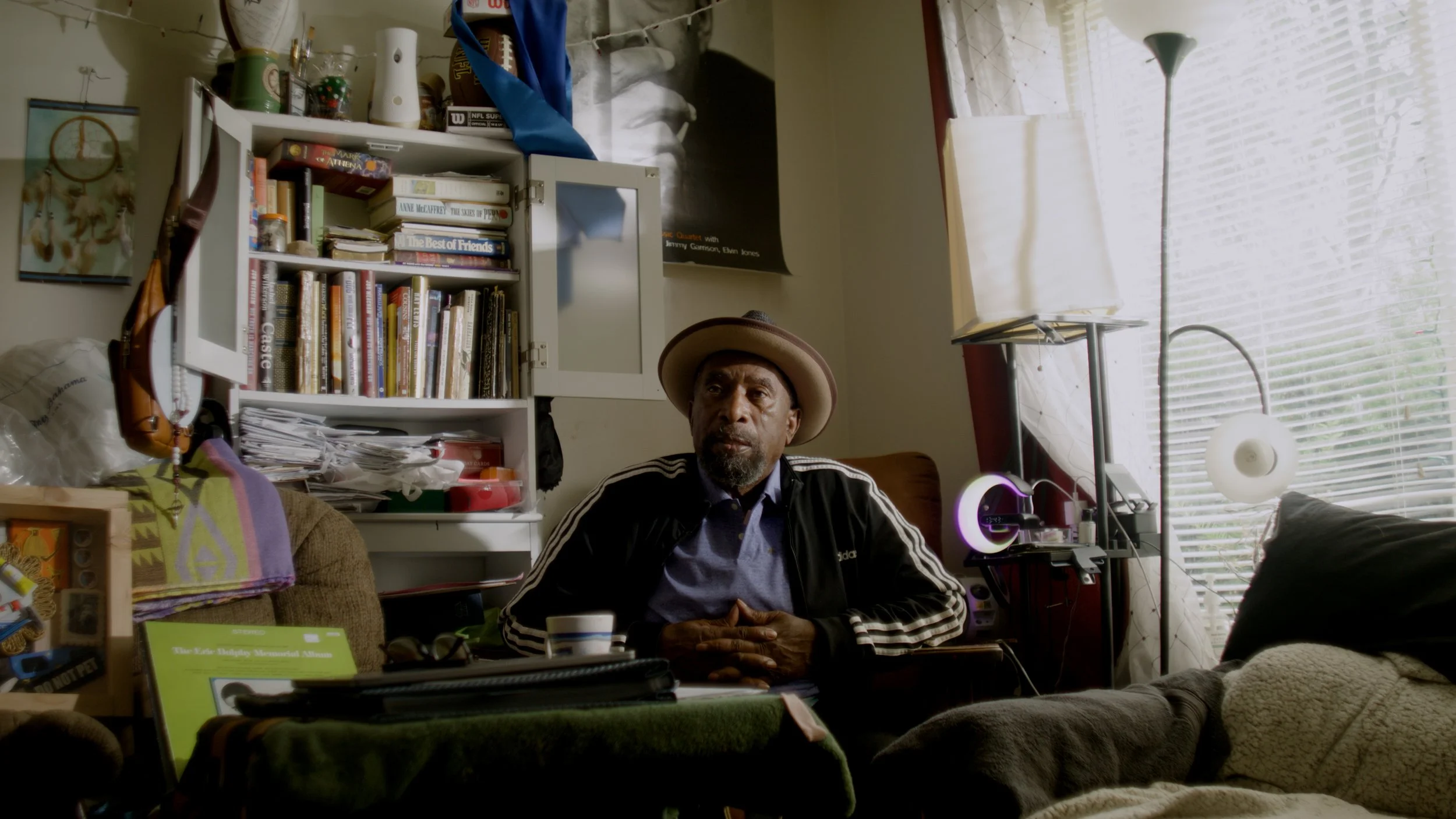
Irvin Moore, a 79-year-old man from Philadelphia who spent more than fifty years incarcerated, reflects on his early life, his path into the criminal justice system, and his time at Holmesburg Prison where he was exposed to medical experiments conducted by the University of Pennsylvania and other entities. He explains how prisoners viewed the tests as economic survival in a system where money controlled safety and opportunity, and describes the informal inmate networks that recruited participants for studies run by Kligman, the Army, and Penn. Moore talks about witnessing side effects among others, the power dynamics that made prisoners trust authority figures, and how none of them understood the risks at the time. Later in life he became a respected inmate-leader, building educational programs, mentoring others, and maintaining long-term relationships with Penn State professors who eventually helped him transition into college after his commutation. The interview also covers his emotional release from prison, his bond with the therapy dog Fred, and his belief that apologies from Philadelphia and Penn are meaningless without education, public acknowledgment, and concrete reparations for survivors and their families.In Spring 2027, Irvin will receive a Bachelor’s Degree in Restorative Justice from Penn State University, making him the oldest person in the school’s history to do so at the age of 81.
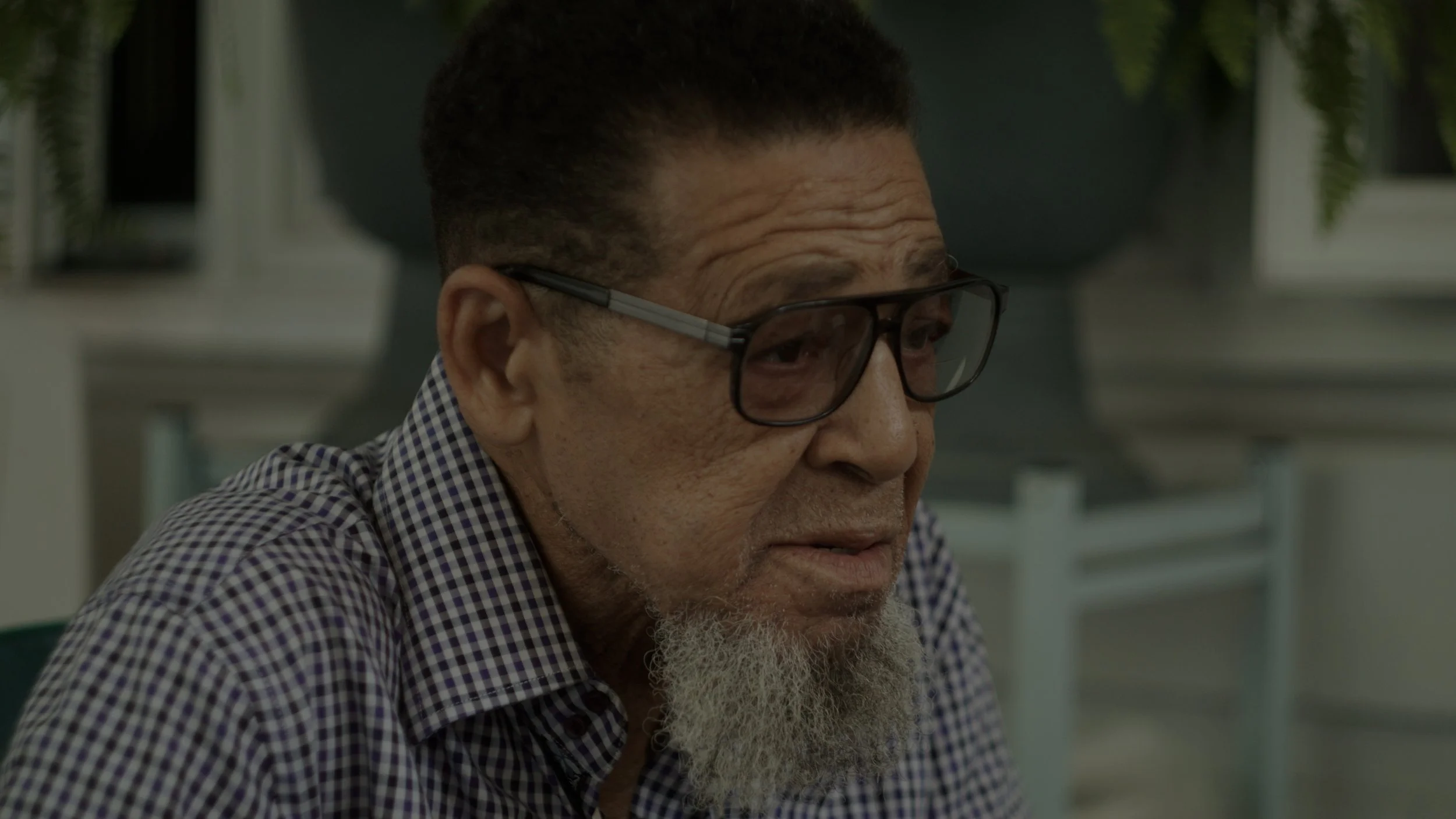
Lavon Miller
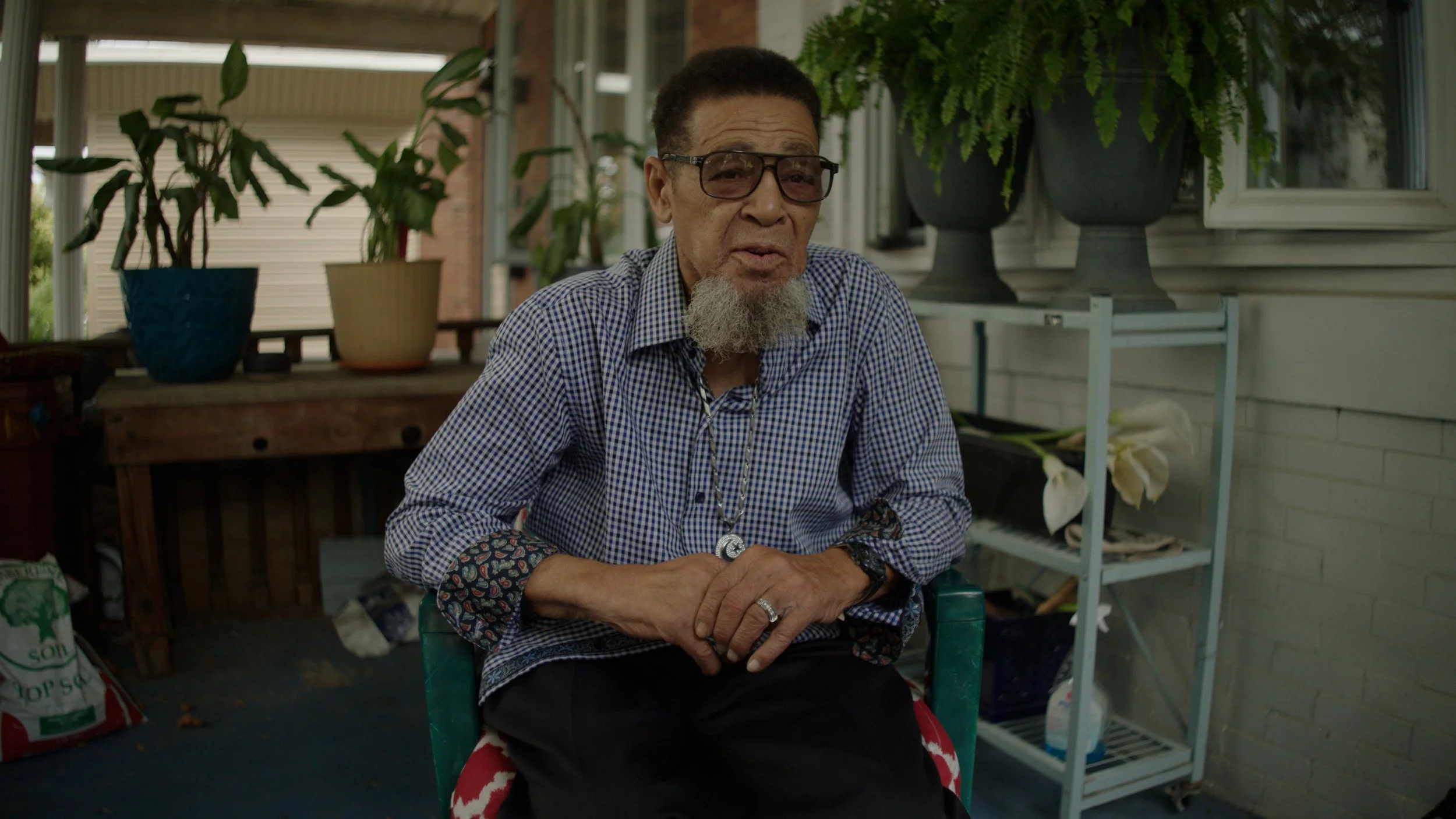
LaVon Miller, age 76, reflects on growing up between Philadelphia and the South, finding belonging in neighborhood gangs, and entering the justice system as a teenager. He describes life at Holmesburg Prison in the late 1960s, where poverty and survival pressures pushed inmates toward medical experiments run by outside researchers. LaVon recounts taking pill studies, patch tests, and other trials that left him hospitalized and dealing with lifelong health issues, while emphasizing that inmates had no real understanding of what the substances were or what risks they carried. He explains how his father, who worked on H-Block, tried to protect him from the system’s worst harms, and how family reputation helped keep him safe inside. Later, LaVon’s cousin Howard joins the interview, describing how their family’s history in West Philadelphia shaped them, how he avoided the experiments because LaVon and their uncle warned him off, and how inmates saw testing as a way to get food, cigarettes, and basic survival items. Together they detail the violence, fear, overcrowding, and mental illness inside Holmesburg, and they describe the experiments as exploitation of poor men who trusted the state. LaVon expresses frustration that the city’s apology came without material help, calls for medical care and support for survivors, and anchors his survival in faith, resilience, and family loyalty.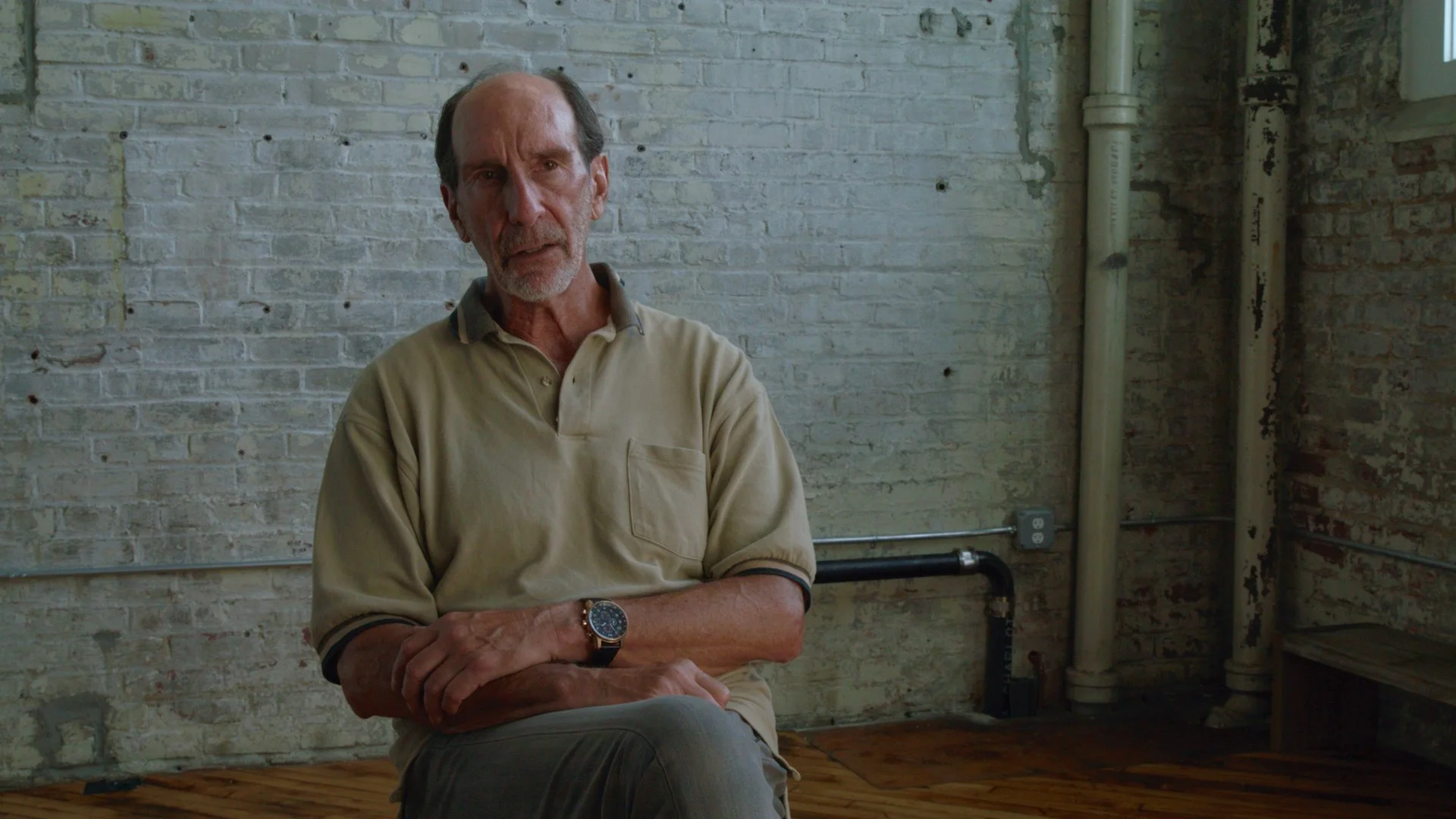
Allen Hornblum
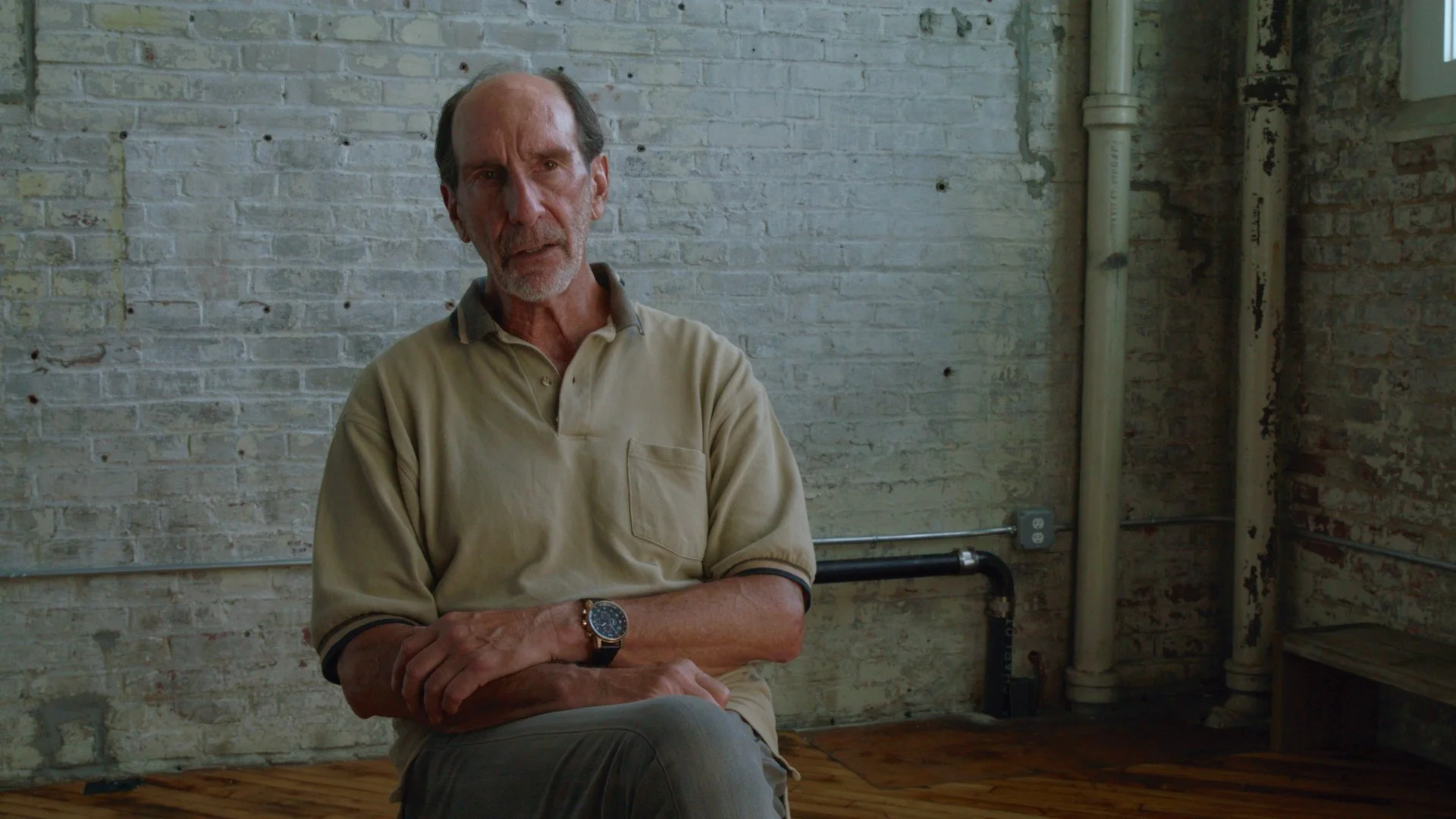
Allen Hornblum, author of Acres of Skin, recounts entering Holmesburg Prison in 1971 as an educator and immediately recognizing the facility as a chaotic, violent, overcrowded institution where scores of inmates walked around covered in medical tape. He describes discovering that the prison had become a vast human experimentation center run for decades by University of Pennsylvania dermatologist Dr. Albert Kligman, who used incarcerated men for hundreds of studies ranging from simple patch tests to dangerous trials involving dioxin, psychotropic drugs, chemical warfare agents, and radioactive materials. Hornblum outlines how Kligman courted pharmaceutical companies, the Army, and corporate clients, escalating experiments without oversight and exploiting poor Black prisoners who participated out of financial desperation. He explains the origins of the retinoid drugs Retin-A and Renova in these experiments, the massive profits generated, and the longstanding lack of accountability. The interview also covers public reaction to Acres of Skin, Penn’s 2020 apology following racial justice movements, the push for reparations, and Hornblum’s belief that the legacy of Holmesburg demands both material compensation for survivors and a reckoning within American medical ethics.Allen’s 1999 book, Acres of Skin, first broke the story of the Holmesburg Prison Experiments to the public.
Darlene Rice
In our interview, Darlene Rice recounted her life beginning with a loving childhood in South Philadelphia, early motherhood, and years of hard work to support her children, followed by a long, traumatic history of domestic abuse at the hands of her former husband Herbert Rice. She describes how his time in jail, escalating drug use, and untreated violence transformed him from a once kind and gifted young man into someone who terrorized her and their children through physical assaults, home invasions, stalking, and repeated destruction of their property. Despite police involvement, help from family, community members, and women’s support organizations, the harassment lasted roughly two decades and left deep emotional and physical scars. She also recalls losing friendships because of his behavior, the kidnapping of her infant son, and several near fatal encounters. In her later reflections she notes that her children still care for their father today, and she has never spoken ill of him to them, but she characterizes that entire era as twenty years of hell that she survived only through resilience, family support, and the will to protect her kids.Darlene’s interview and her underscores the complexity of our film’s characters. Every person is imperfect, and we will track their
Adrianne Jones-Alston
Adrianne Jones-Alston, founder of the Jones Foundation for Returning Citizens and daughter of Holmesburg survivor Leotis Jones, provides one of the film’s strongest perspectives on the intergenerational impact of the Holmesburg Prison experiments. She remembers her father as a loving, hardworking provider before his incarceration, but recalls a profound change after his return from Holmesburg, including physical scarring, emotional instability, and escalating conflict at home. Adrianne describes how the trauma experienced by her father rippled through the family, forcing her into adult responsibilities at a young age and contributing to years of instability, addiction, incarceration, and recovery in her own life. Although Leotis rarely discussed the experiments directly with his children, he later became an outspoken advocate for survivors and prisoner rights. Through her personal story, Adrianne connects the abuses at Holmesburg to broader questions of medical ethics, informed consent, institutional accountability, and the lasting consequences of trauma across generations, arguing that the effects of the experiments did not end with the men who were tested but continue to shape their families and communities today.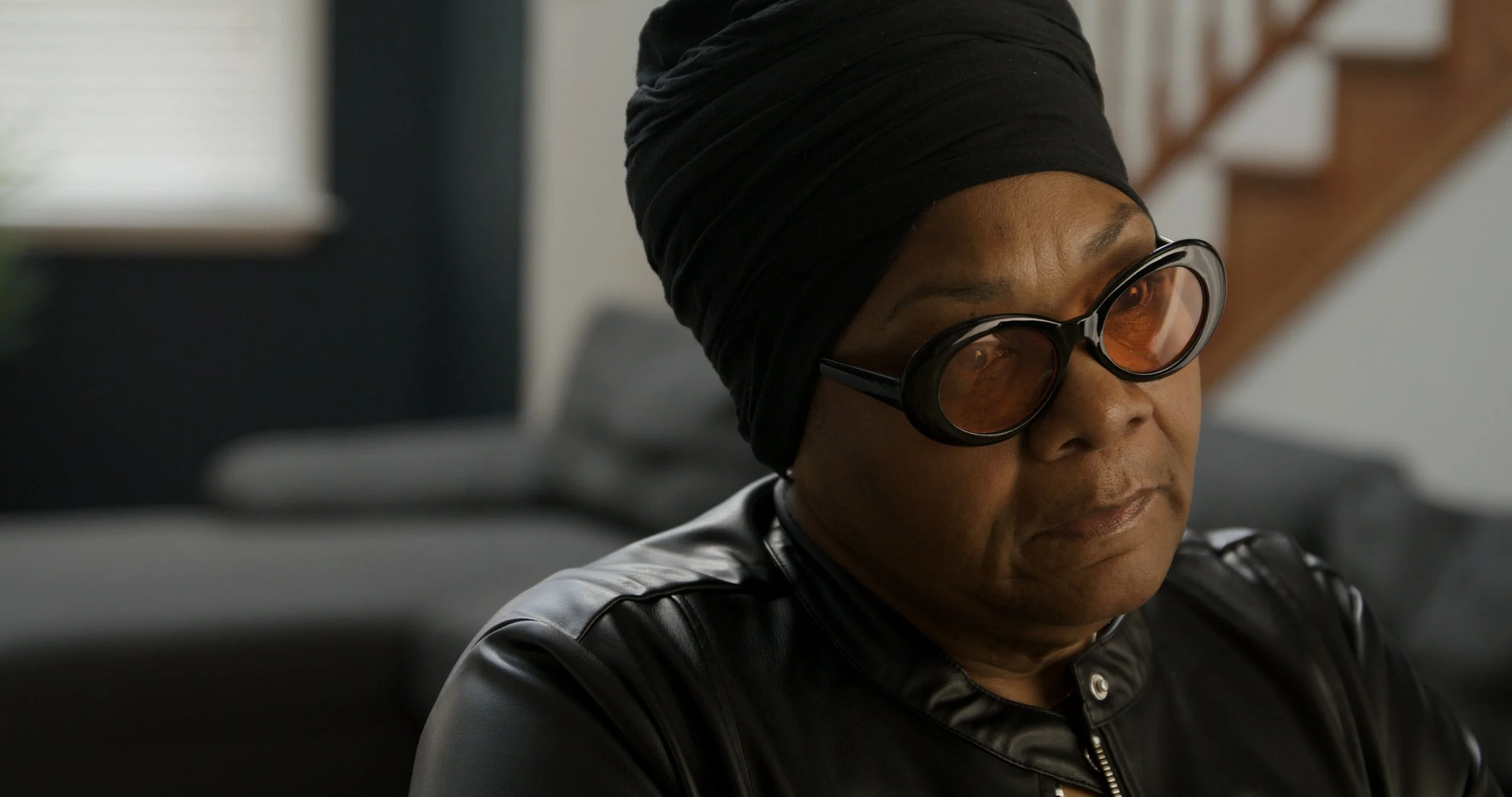

Scenes
Herb Rice and his grandchildren visit Holmesburg Prison for the first time since his incarceration.
This scene follows Herb Rice as he returns to the site where he was subjected to unethical medical experiments in the 1960s and 70s. In a reflective conversation with his grandchildren, he recounts the radiation, drug, and skin tests conducted under Dr. Albert Kligman and funded by major pharmaceutical companies and the University of Pennsylvania. Herb describes how the experiments caused lifelong psychological trauma, addiction, and violent outbursts, and how many fellow test subjects later died by suicide. His grandchildren connect his experiences to modern systems of exploitation, likening the tests to a form of slavery and exposing how products like Retin-A and tretinoin—developed from those experiments—remain profitable today. Together, the family confronts the generational impact of the abuse, calling for transparency, reparations, and acknowledgment of the systemic racism that enabled it.
The Medical Ethics Panel
On May 26, 2026 Penn Medicine held a panel discussion with the Holmesburg survivors, family members, and author Alan Hornblum about the legacy of the Holmesburg Prison experiments and their continuing impact today. The conversation reframes Holmesburg not as a closed historical event but as an ongoing ethical failure whose consequences continue to affect survivors, their families, and public trust in medicine. Survivors describe how poverty, incarceration, and desperation made them vulnerable to participating in experiments, while family members and advocates connect the abuse to generational trauma, distrust of medical institutions, and broader systems of racial and economic exploitation. Throughout the event, speakers emphasize that apologies alone are insufficient, calling instead for accountability, mental health services, educational opportunities for descendants, compensation for survivors, and institutional commitments to restorative justice. The discussion ultimately serves as both a historical reckoning and a challenge to future physicians to confront the profession’s past abuses and uphold ethical obligations to the communities they serve.